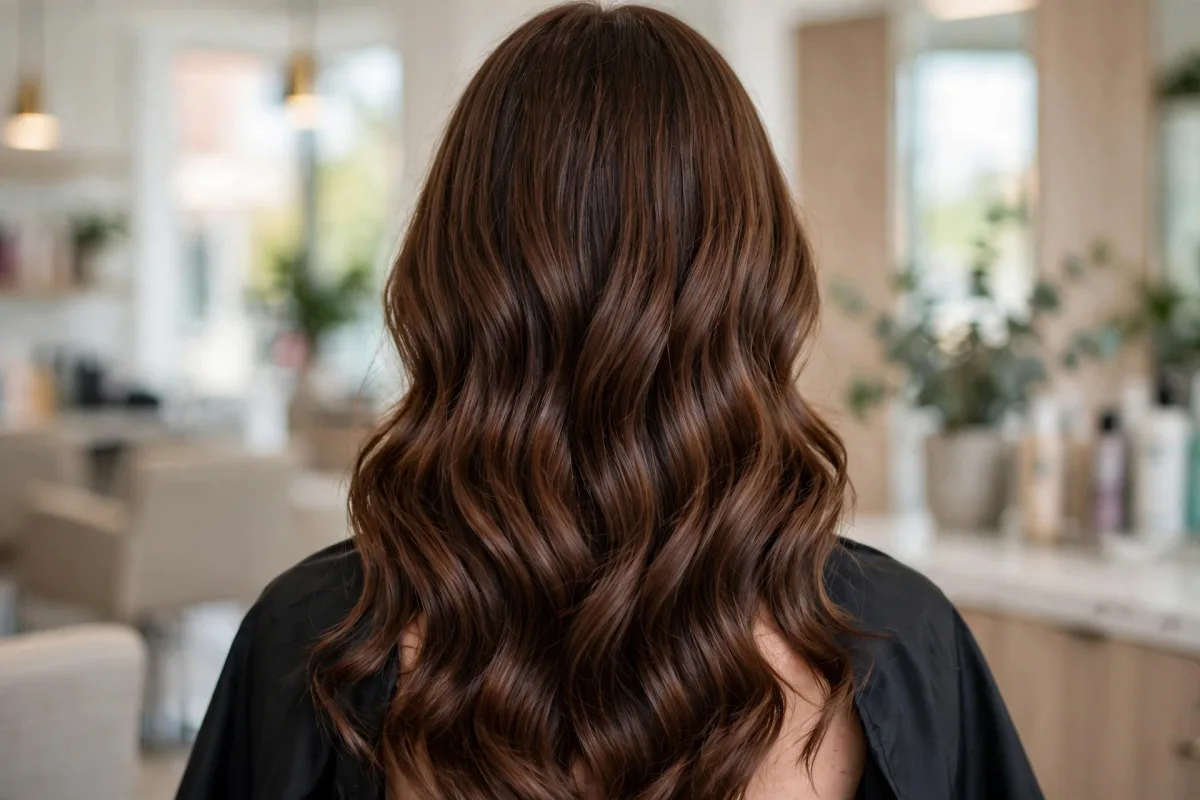
30 Shoulder Length Hairstyles That Make Thin Hair Look Fuller
Thirty shoulder length cuts and styles that make thin hair look genuinely fuller, from blunt lobs to soft waves, with the styling tricks that multiply the effect.
By Lock & Luster Editors · October 20, 2026
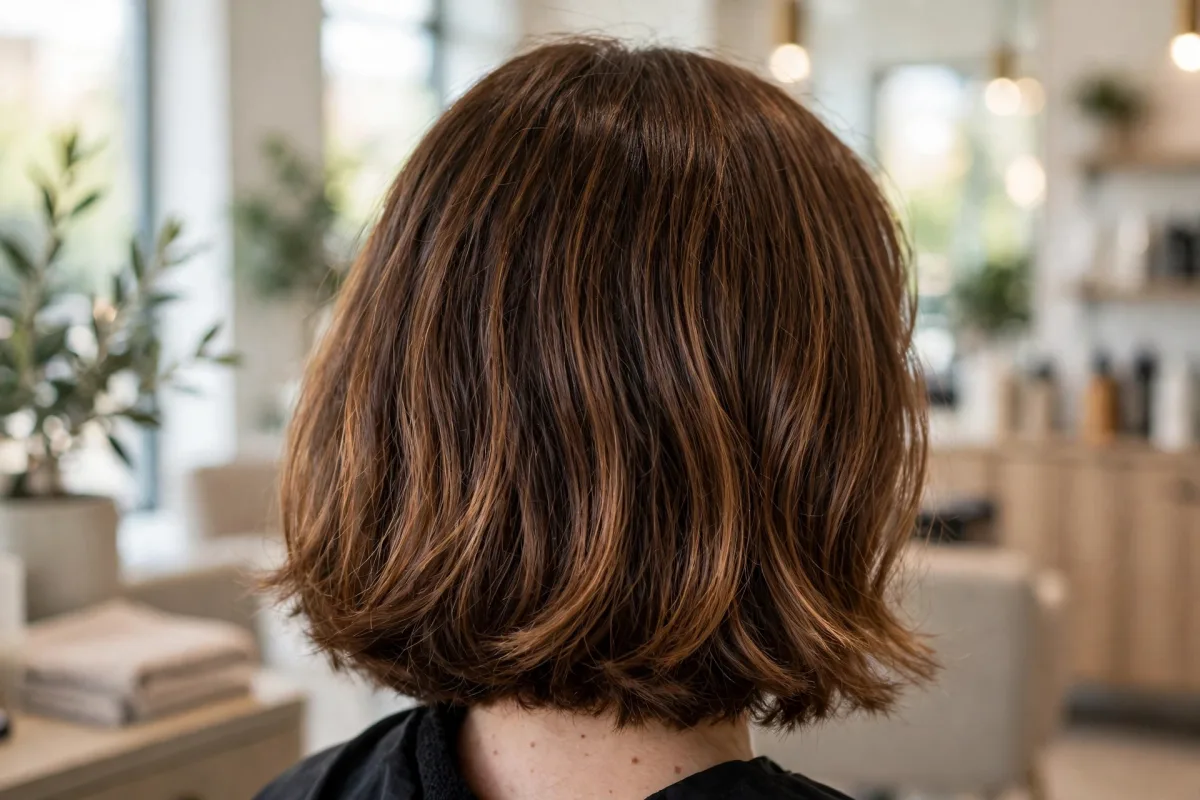
If your hair is thin, the single most flattering length is shoulder length, and it is not close. Hair that stops between the chin and the collarbone keeps every strand it has: nothing is lost to straggly ends, blunt lines read as thickness, and styling takes minutes instead of half an hour. Go much shorter and thin hair can look scarce. Go much longer and it separates at the bottom and tells on itself.
Below are the thirty shoulder length styles we recommend most for thin hair, grouped by how they create the illusion of fullness. Every one of them works on the same simple principle: protect the ends, build shape at the top and sides, and let texture do the rest.
Why does shoulder length make thin hair look fuller?
Because fullness is mostly about ends and outline. Fine hair strands are narrow, so a hemline of hair looks thick only when lots of ends line up together at the same length. Shoulder length cuts keep that hemline dense. The shape also sits where your head is widest, so the silhouette reads generous instead of stringy. Nearly every trick in this list is a variation on protecting that outline.
The blunt cuts: one length, maximum density
1. The classic blunt lob
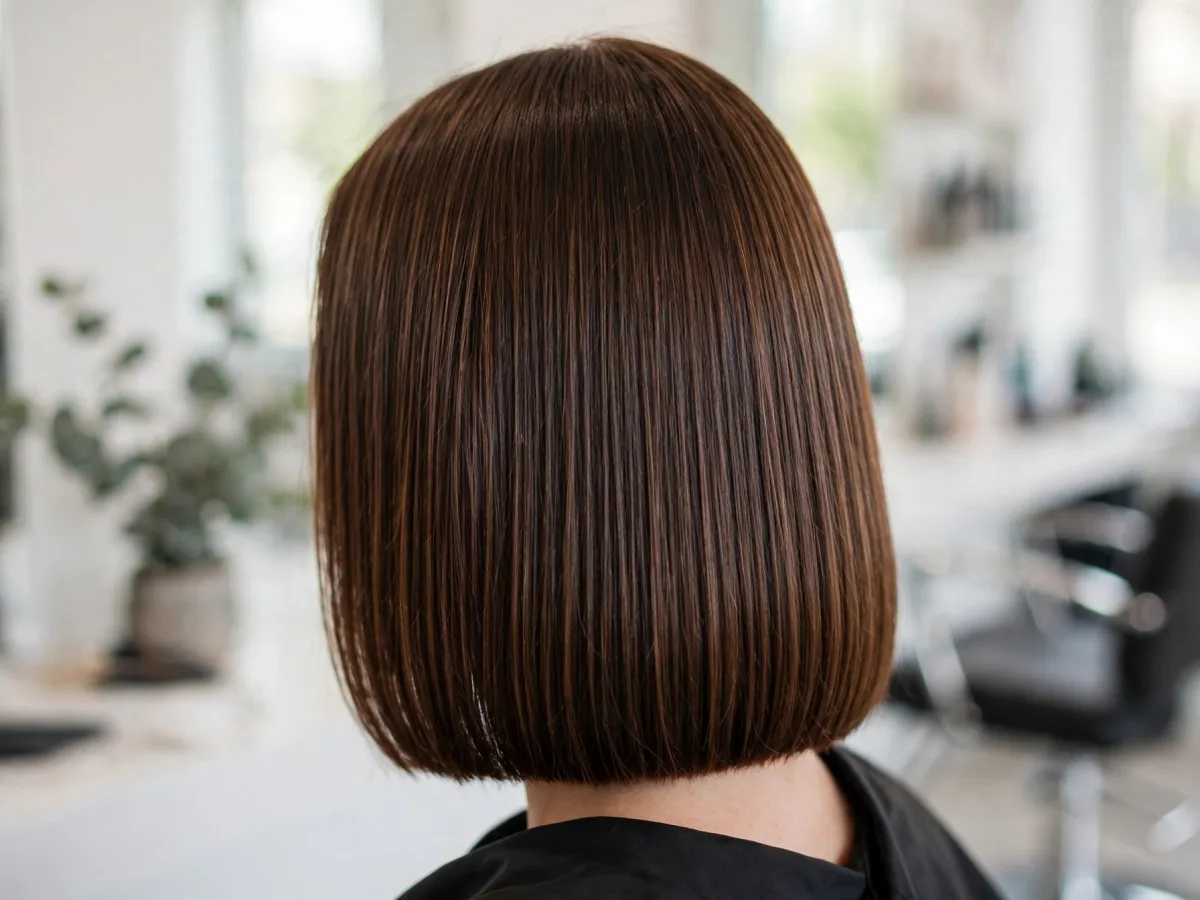
The long bob cut at one length, all the way around, ends between the chin and the shoulders. With no layers stealing from the hemline, this is the fullest looking cut thin hair can wear, and it grows out gracefully between appointments.
2. The blunt lob with a deep side part
Same one length cut, styled with the part moved an inch further over than feels natural. The extra hair swept across the crown creates instant lift and a thicker looking top section.
3. The collarbone blunt cut
A blunt cut that lands exactly on the collarbone. It is the longest a blunt style can go before thin ends start to separate, so think of it as the maximum length option for fine hair.
4. The A-line lob
Slightly shorter at the back, longer at the front, still blunt at the ends. The forward angle pushes the visual weight toward the face and makes the front sections look abundant, which is where people notice first.
5. The blunt cut with micro fringe
A one length cut plus a short, soft fringe. The fringe borrows hair from the top, yet paradoxically the hair looks thicker overall, because the eye reads the strong horizontal line as fullness.
6. The polished straight lob
A blunt lob worn sleek and straight with the ends tucked slightly under. Straight styling shows off exactly how dense the hemline is, so this is the style to choose the week after a fresh cut.
7. The blunt cut with tucked ends
One length hair with the last inch curled gently under all around. The rounded under edge doubles the apparent thickness of the ends, like the rim of a cup reading thicker than its walls.
The layered cuts: shape without losing the ends
8. Long layers on a blunt base
A mostly one length cut with a few long layers through the last two inches. You keep almost all the hemline density and gain movement at the bottom, so the hair swings instead of hanging.
9. Face framing layers
Shorter pieces that start at the cheekbones or jaw and blend into the length. They add shape around the face where thin hair often looks sparest, without touching the back hemline at all.
10. The layered lob with crown lift
Gentle layering concentrated at the crown only. The top gets lift and separation, the sides and back keep their full blunt edge, and the whole head reads bigger.
11. The shag lite
A soft, modern shag with long layers and wispy ends, scaled down for fine hair. The texture at the top looks abundant, and because the layers are long, the ends never disappear.
12. The butterfly cut, shoulder edition
Long face framing wings that sweep back from the cheeks, taken from the famous butterfly cut and adapted to collarbone length. The swooping front layers create the illusion of far more hair than you arrived with.
13. The curved U cut
The back hemline is cut into a shallow U instead of a straight line. Thin hair often grows thinner at the very corners, and the curve removes those weak points while keeping the center dense.
14. Layers with curtain bangs
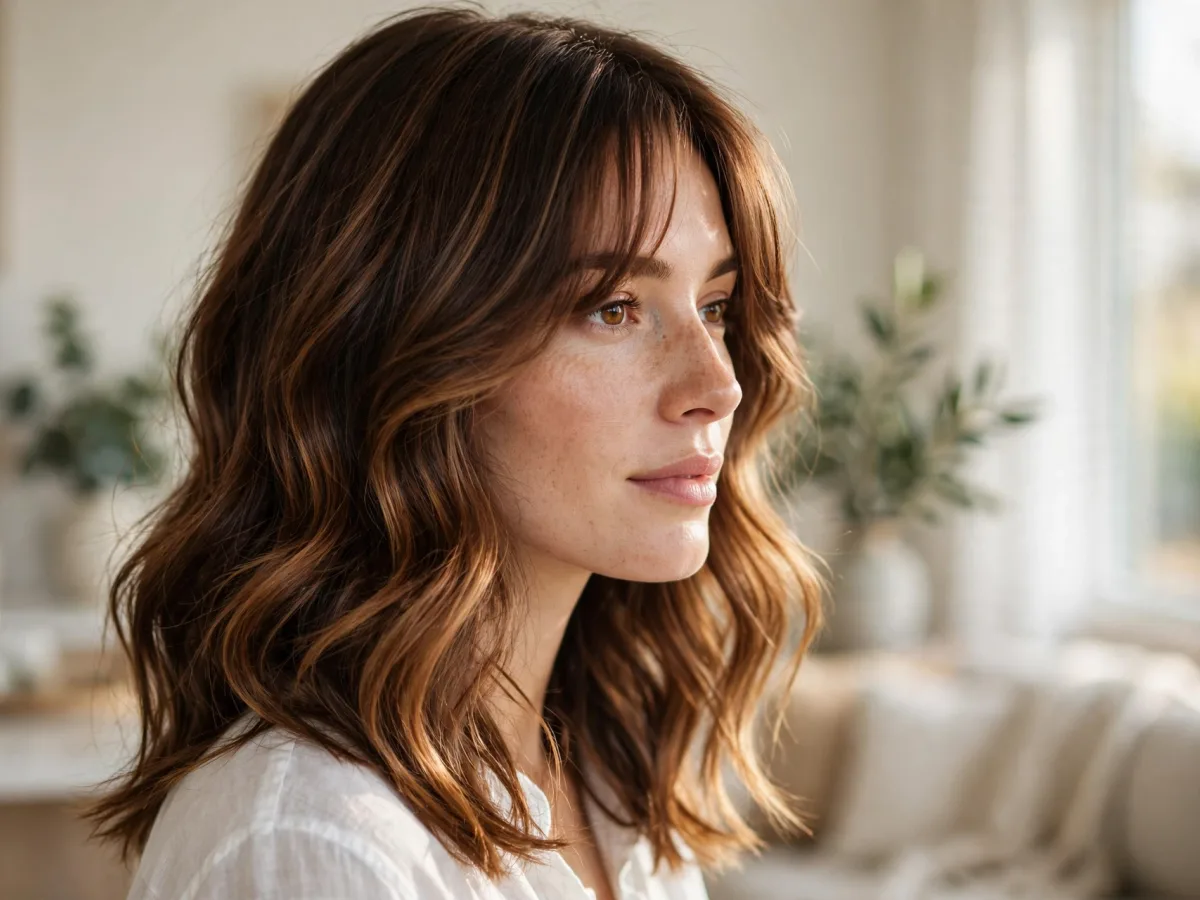
A layered shoulder cut paired with soft, center parted curtain bangs. The same fringe flatters nearly everyone once its length and angle are set for the face, as the examples of curtain bangs for every face shape show. The bangs fill in the hairline and temples, two places where thin hair tends to show the scalp first.
The textured cuts: waves and curls that fake volume
15. The wavy lob
A blunt or lightly layered lob worn in loose waves. Waves are thin hair’s best friend: every bend doubles the space the hair appears to occupy, and the style looks fuller on day two than day one.
16. The tousled texture cut
A shoulder cut with point cut ends, styled messy on purpose. The deliberate disorder hides thin patches and keeps light from passing straight through the hair the way it does with sleek styles.
17. The curly shoulder cut
For naturally curly fine hair, a shoulder length cut shaped dry, curl by curl. Curls create their own volume, and keeping them at this length stops them stretching out flat under their own weight.
18. The bend and go style
One length hair styled with a single bend at the mid lengths using a flat iron, alternating directions. It takes five minutes and reads as a head full of soft, expensive looking movement.
19. The flipped ends lob
A retro nod: shoulder hair with the ends flipped outward. The flick at the bottom widens the silhouette right where thin hair usually narrows, and it is charming with a side part.
20. The airy blowout cut
A layered shoulder cut designed to be worn as a bouncy blowout. The layers are placed so round brush styling lifts the roots and rolls the ends, giving that just left the salon fullness for days.
21. The beachy crop to collarbone
A textured cut styled with matte, piecey separation. The broken up finish disguises fine strands better than any smooth style, and it asks almost nothing of you in the morning.
22. The half up fullness style
Any shoulder cut, worn with the top front section loosely pinned or clipped back. Pulling the sides softly upward exposes and lifts the crown, and the loose finish reads as volume rather than styling effort.
Bangs, parts and finishing tricks
23. The side swept fringe lob
A blunt lob with a long, side swept fringe blended into the front. The diagonal line across the forehead adds interest and makes the front hairline look generously full.
24. The blunt cut with baby bangs
A bold option: one length hair with a short, straight across fringe. The strong contrast between the tiny fringe and the dense hemline makes the whole head of hair look deliberate and thick.
25. The center part curtain lob
A layered lob with a center part and curtain style front pieces. Symmetry plus the swept open front gives fine hair a styled, fuller frame around the face.
26. The zigzag part style
No cutting required. Parting the hair in a soft zigzag instead of a straight line hides the scalp along the part and lifts the roots, an instant fullness trick for any shoulder cut on this list.
27. The darker root shadow lob
A color based style: shoulder hair with the roots kept a shade deeper than the lengths. A deep brunette is the easiest root to live with, and the chocolate brown shades from mocha to espresso are the ones stylists reach for. The deeper root visually thickens the top of the hair, and it grows out without a harsh line.
28. The balayage dimension lob
Fine painted highlights through the mid lengths and ends of a blunt lob. Two or three close tones woven together create the optical depth that flat, single tone color lacks, so hair reads thicker in photos.
29. The glossed and polished lob
A one length cut finished with a clear or tinted gloss service at the salon. Gloss smooths the cuticle so light reflects evenly, and even light reflection makes fine hair look healthier and more substantial.
30. The second day texture lob
Deliberately styled the day after washing: roots refreshed, lengths re waved in a few places, ends left alone. Thin hair almost always looks fuller with a little natural grit in it, and this style plans for that instead of fighting it.
The rule underneath all thirty: thin hair looks fullest when the ends line up, the crown lifts, and the finish has texture. Choose the cut that protects those three things and the fullness follows.
How do you ask your stylist for one of these cuts?
- Name the length first. Say chin, jaw, or collarbone, and point to it. Shoulder length means different things in different chairs.
- Ask for a blunt baseline. Then add layers only where this guide suggests: long, few, and placed at the front or crown.
- Bring two photos, not ten. One for the cut, one for the finish, and be ready to hear which parts suit your hair as it actually is. Still collecting candidates? Browse our hairstyles organized by length, face shape and occasion and save the ones that make you pause.
- Ask about your part. A deeper side part or a zigzag can be styled in the chair so you can see the difference before you leave.
- Book the trim before you go. Six to eight weeks keeps the blunt edge blunt, and the blunt edge is the whole trick.
Questions, answered
Do layers make thin hair look thinner? +
They can, if they are cut everywhere. Heavy, all over layering removes the weight thin hair needs at the ends and can leave it looking wispy. The layers that help thin hair are few, long and placed at the front or the crown, while the baseline stays blunt and full. It is placement, not layers themselves, that decides the result.
What is the best exact length for thin hair? +
For most women, the fullest looking zone sits between the chin and just past the shoulders. Hair that grows much longer than the shoulders tends to separate at the ends and show its thinness. If your hair is very fine, the collarbone is usually the longest flattering stop.
How often does a shoulder length cut need a trim? +
Every six to eight weeks is a good rhythm for most people. Thin hair shows split ends faster because there is less hair to hide them, and split ends travel upward, thinning the bottom further. Small, regular trims protect the blunt edge that makes these styles look full.
Does a shoulder length cut suit a round face? +
Yes, especially styles that fall just past the chin with a side part or face framing layers. Length below the jaw draws the eye downward and balances roundness. The styles to be careful with are very round, chin length cuts with lots of width at the cheeks.
What is the quickest morning routine for these styles? +
Keep it simple: a light volumizing product at the roots on damp hair, blow dry with your head tilted so the roots lift away from the scalp, and finish by rough drying the ends rather than polishing them flat. Five to ten minutes is enough for most of these cuts, and second day hair often looks even fuller.